Anuradhapura was the first capital of Sri Lanka and one of the great cities of the ancient world. At its peak, around the 4th century AD, it had a population of over a million people and covered an area larger than ancient Rome. What remains today is extraordinary: massive stupas that took decades to build, sacred Bodhi trees, bathing pools the size of lakes, and stone monasteries that still receive pilgrims every day. It is one of the most important historical sites in Asia and, outside of Sri Lanka itself, almost entirely unknown.
I have brought guests to Anuradhapura many times. The visit rewards people who know what they are looking at. This guide gives you that context before you arrive.

Anuradhapura at a Glance
What It Is
The ancient capital of Sri Lanka, continuously inhabited for over 2,500 years. A UNESCO World Heritage Site and the most sacred city in Sri Lankan Buddhism.
How Long to Spend
One full day minimum. Two days is better and allows you to visit the main sacred zone in the morning and the outlying sites and museums in the afternoon and the following morning.
Getting There
About 4.5 to 5 hours by road from Colombo. 1.5 hours from Sigiriya. Anuradhapura is the natural first or last stop on the Cultural Triangle circuit with Sigiriya and Polonnaruwa.
Best Time to Visit
November to April is the driest period. The Poson full moon festival in June draws enormous pilgrim crowds. Visit early in the morning in any season to avoid heat and the midday tour groups.
Entry Tickets
A single UNESCO Cultural Triangle ticket covers Anuradhapura and the other heritage sites. Buy at the Cultural Triangle office or through your tour operator. Check current prices on arrival.
What to Wear
White or light-coloured clothing covering shoulders and knees. Remove shoes before entering all temple areas. Carry a cloth bag for shoes. Sarongs are available to hire at some entrances.
A Brief History Worth Knowing
Anuradhapura was established as a capital in the 4th century BC and remained the seat of the Sinhalese kingdom for over 1,300 years. During that period it grew into one of the most advanced cities in the ancient world, with sophisticated irrigation systems, multi-storey buildings, and a network of monasteries that housed thousands of monks.
Buddhism arrived in Sri Lanka from India in 247 BC, brought by Mahinda, the son of the Indian emperor Ashoka. Anuradhapura became the centre of Theravada Buddhism, the form of Buddhism that spread from Sri Lanka to Southeast Asia and remains the dominant tradition in Thailand, Myanmar, Cambodia, and Laos. The Sri Maha Bodhi tree, planted from a cutting of the original Bodhi tree in India under which the Buddha attained enlightenment, has been growing in Anuradhapura continuously since 249 BC, making it the oldest living tree with a documented history in the world.
The city was abandoned as capital in the 11th century AD after repeated invasions from South India. The jungle grew over most of it for centuries. Archaeological excavation and restoration began in the 19th century and is still ongoing. What you visit today is a fraction of what the original city contained.
What to See in Anuradhapura
The heritage zone is large and spread across several kilometres. A bicycle or tuk-tuk is the most practical way to move between sites. Here are the key things to see, in a logical visiting order.
Sri Maha Bodhi
Sacred Fig Tree • Planted 249 BC • Start here
The Sri Maha Bodhi is a sacred fig tree grown from a cutting of the original Bodhi tree in Bodh Gaya, India, under which the Buddha attained enlightenment. Planted in 249 BC, it is the oldest living tree with a documented history in the world. It stands in a walled enclosure surrounded by pilgrims who come to make offerings, light oil lamps, and pray. The atmosphere at the tree is genuinely moving in a way that photographs cannot capture.
Start your Anuradhapura visit here, ideally in the early morning when the light is soft and the first pilgrims of the day are arriving. Remove your shoes at the entrance, dress appropriately, and move quietly. This is not a site for selfies in front of the tree.
Ruwanwelisaya Stupa
Great White Stupa • Built 2nd century BC • 55 metres high
Ruwanwelisaya is one of the largest and most beautiful stupas in Sri Lanka, a white dome 55 metres high surrounded by a wall of stone elephants. It was built by King Dutugamunu in the 2nd century BC to enshrine sacred relics of the Buddha. Fully restored and gleaming white, it is the most visually striking monument in Anuradhapura and the one most Sri Lankan pilgrims prioritise.
The stupa is an active place of worship. Pilgrims walk clockwise around the base, which is the correct direction for circumambulation in Theravada Buddhism. Join the circuit if you wish, or simply walk the full perimeter and observe. The elephant wall alone is worth spending time with: 344 stone elephants, each individually carved.
Jetavanaramaya
Largest stupa in the ancient world • 3rd century AD • 122 metres originally
When it was completed in the 3rd century AD, the Jetavanaramaya was the third tallest structure in the world after the two great pyramids of Giza. It originally stood 122 metres high and is still the largest stupa in the world at around 70 metres after partial restoration. The scale is genuinely hard to comprehend up close. The brickwork alone contains enough material to build a wall from London to Edinburgh.
The area around Jetavanaramaya includes the ruins of the monastery that surrounded it, including meditation walkways, bathing pools, and the remains of multi-storey buildings. Allow at least 30 to 40 minutes here and walk the full circuit before leaving.
Thuparamaya
The first stupa in Sri Lanka • 3rd century BC
Thuparamaya is the oldest Buddhist monument in Sri Lanka, built in the 3rd century BC to enshrine the right collarbone relic of the Buddha, brought from India by Mahinda's sister Sanghamitta. It is a smaller and more intimate site than the great stupas, surrounded by stone pillars that once formed a vaulted enclosure. A good site to visit in the late afternoon when the pilgrims thin out and the light is warm on the old stone.
Abhayagiri Monastery Complex
5,000 monks at its peak • 1st century BC • Stupa and ruins
Abhayagiri was one of the greatest monastic universities of the ancient world, housing up to 5,000 monks at its peak and covering a vast area north of the main heritage zone. The stupa is partially restored and impressive at 75 metres. The surrounding monastery ruins include bathing pools, image houses, and the famous Samadhi Buddha statue, one of the most beautiful ancient sculptures in Sri Lanka, a seated Buddha in deep meditation that has been drawing visitors and pilgrims for 1,700 years.
Isurumuniya Temple and the Twin Ponds
Rock temple • Famous carvings • 3rd century BC
Isurumuniya is a rock temple carved into a massive granite boulder beside a natural pond, one of the most atmospheric sites in Anuradhapura. The carvings inside the museum include the famous Isurumuniya Lovers, a 5th-century stone carving considered one of the finest examples of classical Sinhalese sculpture. Nearby are the Twin Ponds (Kuttam Pokuna), two rectangular bathing pools connected by an underground conduit, so precisely engineered that the water level in both remains equal regardless of rainfall. The hydraulic engineering alone makes this worth a visit.
Visiting Anuradhapura as Part of a Sri Lanka Culture Tour?
Anuradhapura is the starting point of the Cultural Triangle circuit, which also includes Sigiriya, Polonnaruwa, Dambulla, and the Temple of the Tooth in Kandy. We build private culture tours that cover all of these at a pace that does each site justice. Your driver guide provides context throughout so you understand what you are seeing.
How Long to Spend and What to Do Each Day
Arrive at Sri Maha Bodhi before the main pilgrim rush. The early morning atmosphere here is the best it gets. Allow 30 to 40 minutes.
Ruwanwelisaya Stupa. Walk the elephant wall perimeter. Allow 45 minutes to 1 hour.
Thuparamaya and Mirisawetiya Stupa. Quieter sites, good for slower walking and reflection.
Lunch break. Leave the heritage zone during the midday heat. Return to your hotel or find a local restaurant.
Jetavanaramaya and the surrounding monastery ruins. The afternoon light on the brick stupa is good for photography.
Isurumuniya Temple and Twin Ponds. Late afternoon when the rock temple is at its most atmospheric.
Abhayagiri Monastery complex and the Samadhi Buddha statue. Quiet in the early morning before tour groups arrive.
Abhayagiri Museum. The best archaeological museum in Anuradhapura, with excellent exhibits on the monastery complex and the ancient city.
Jetavana Museum if you have time. Well curated and air conditioned, a good midday option.
Depart towards Sigiriya (1.5 hrs), Polonnaruwa (2 hrs), or Colombo (4.5 hrs) depending on your itinerary.
Practical Information
Dress Code
White or light clothing covering shoulders and knees. Remove shoes before entering all temple precincts. Carry a cloth bag to hold shoes. Sarongs are available to hire at some entrances.
Opening Hours
The heritage sites are generally accessible from dawn. Some museums open at 8 or 9 AM. The sacred zone around Sri Maha Bodhi has no fixed closing time and receives pilgrims around the clock.
Getting Around
Bicycle hire is popular and available near the heritage zone entrance. Tuk-tuks are widely available for hire by the hour or half day. A private driver guide is the most efficient way to cover the full site.
Heat and Sun
Anuradhapura is in the dry zone of Sri Lanka and temperatures regularly exceed 35 degrees. Visit the main sites before 11 AM and after 3 PM. Carry water, wear a hat, and use sun protection.
Photography
Photography is permitted at most sites. Do not photograph pilgrims at prayer without permission. Never pose pointing at or touching sacred statues or the Bodhi tree. Respectful photography is welcomed.
Entry Tickets
The Cultural Triangle round ticket covers entry to multiple sites. Purchase at the Cultural Triangle office in the heritage zone or arrange through your tour operator. Verify current prices before arrival.
What to Know Before You Visit
Anuradhapura is the kind of place that requires you to slow down. The stupas are too large to photograph properly. The Bodhi tree is too old to comprehend in a glance. The best way to experience the site is to walk slowly, ask questions, and spend more time at fewer places. Two hours at Sri Maha Bodhi and Ruwanwelisaya is worth more than a rushed drive through the full heritage zone.
Frequently Asked Questions
One full day is the minimum to see the main sites without rushing. Two days is better and allows you to visit the sacred zone in the morning of the first day, the outlying monastery complexes in the afternoon, and the museums and quieter sites on the second morning. Most visitors who spend only a half day leave having seen the surfaces of things without understanding what they were looking at.
Early morning, from around 6:30 AM, is the best time to visit. The light is soft, the temperature is manageable, the morning pilgrims create a genuinely atmospheric scene at the Bodhi tree and Ruwanwelisaya, and the large tour groups have not yet arrived. Avoid the midday heat between 11 AM and 3 PM. Late afternoon from 3 PM to 5:30 PM is the second-best window.
White or light-coloured clothing is the customary dress for visiting Buddhist sacred sites in Sri Lanka. Shoulders and knees must be covered at all temple areas. You will need to remove your shoes at every temple entrance, so bring footwear that is easy to slip off and on. A thin white cotton shirt, loose trousers or a long skirt, and comfortable slip-on shoes are the practical combination.
Anuradhapura is about 4.5 to 5 hours from Colombo by road on the A9 highway. There is also a train from Colombo Fort station, which takes around 4.5 hours. Most visitors on a private tour arrive by car with a driver guide, which allows you to stop at interesting points on the route and depart for Sigiriya or Polonnaruwa on your own schedule.
Yes. Anuradhapura is about 1.5 hours from Sigiriya by road, which makes a day trip feasible. Depart early, arrive at the heritage zone by 7:30 AM, cover the main sacred sites before noon, take a break during the heat, visit one or two outlying sites in the late afternoon, and return to Sigiriya in the evening. Staying one night in Anuradhapura is still the better option if time allows.
Yes, without hesitation. Anuradhapura is one of the genuinely great ancient cities of the world and one of the most underrated heritage sites in Asia. The combination of enormous ancient stupas, the world's oldest documented living tree, active pilgrimage culture, and first-rate archaeological museums makes it a site that rewards serious visitors. Tourists who arrive expecting a quick photo stop often leave having had one of the most memorable experiences of their trip.
More Sri Lanka Culture Guides
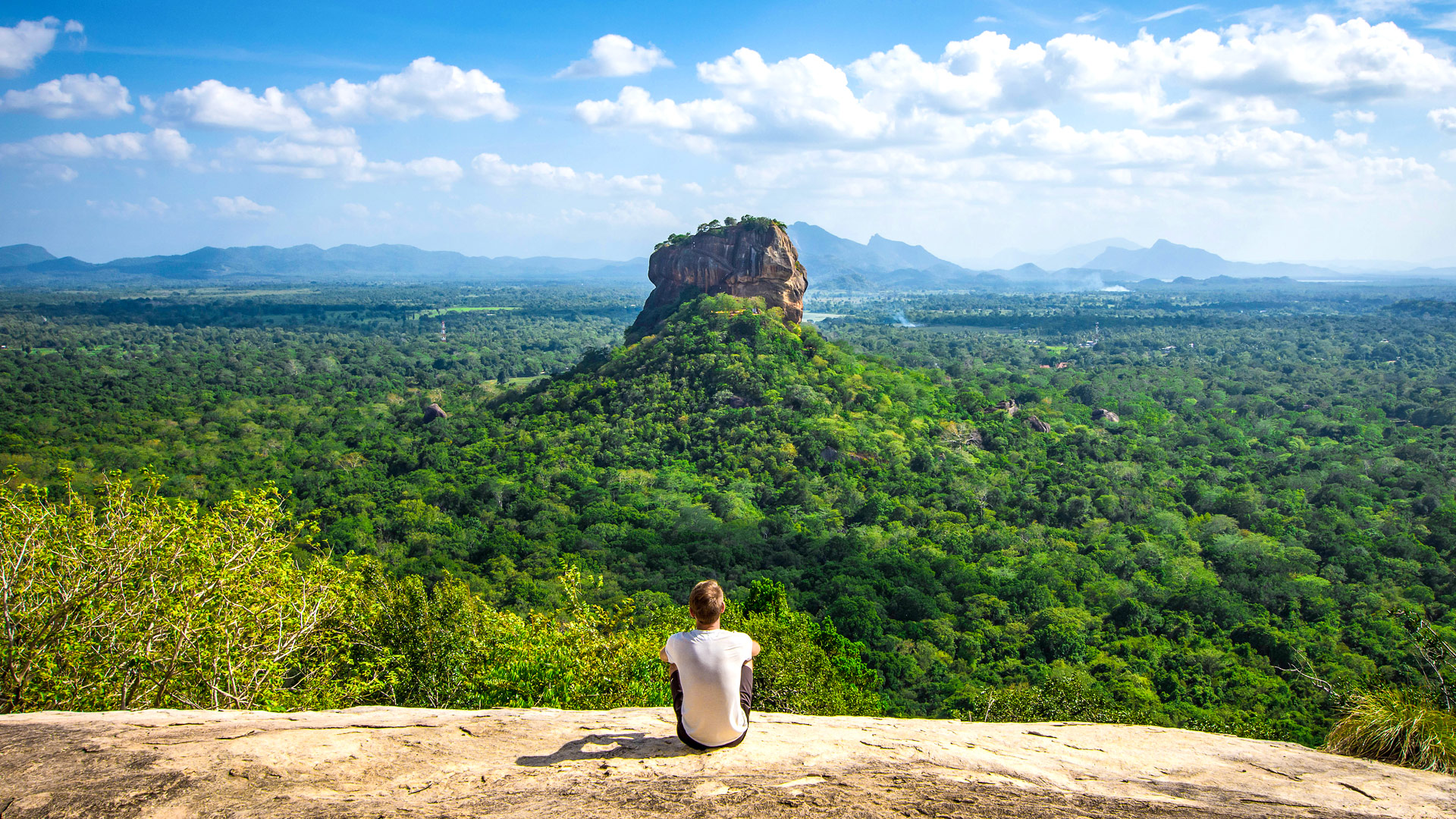
My Favourite Hidden Gems in Sri Lanka That Most Tourists Miss
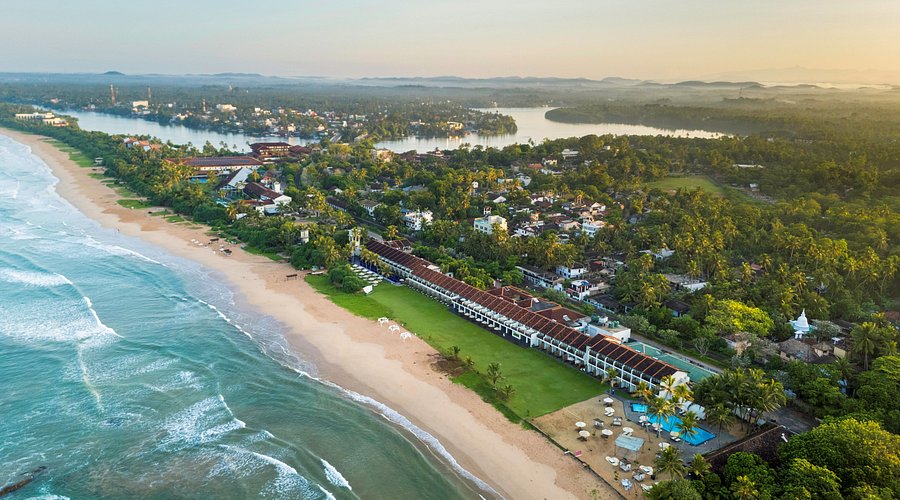
How to Plan a Sri Lanka Tour in 2026
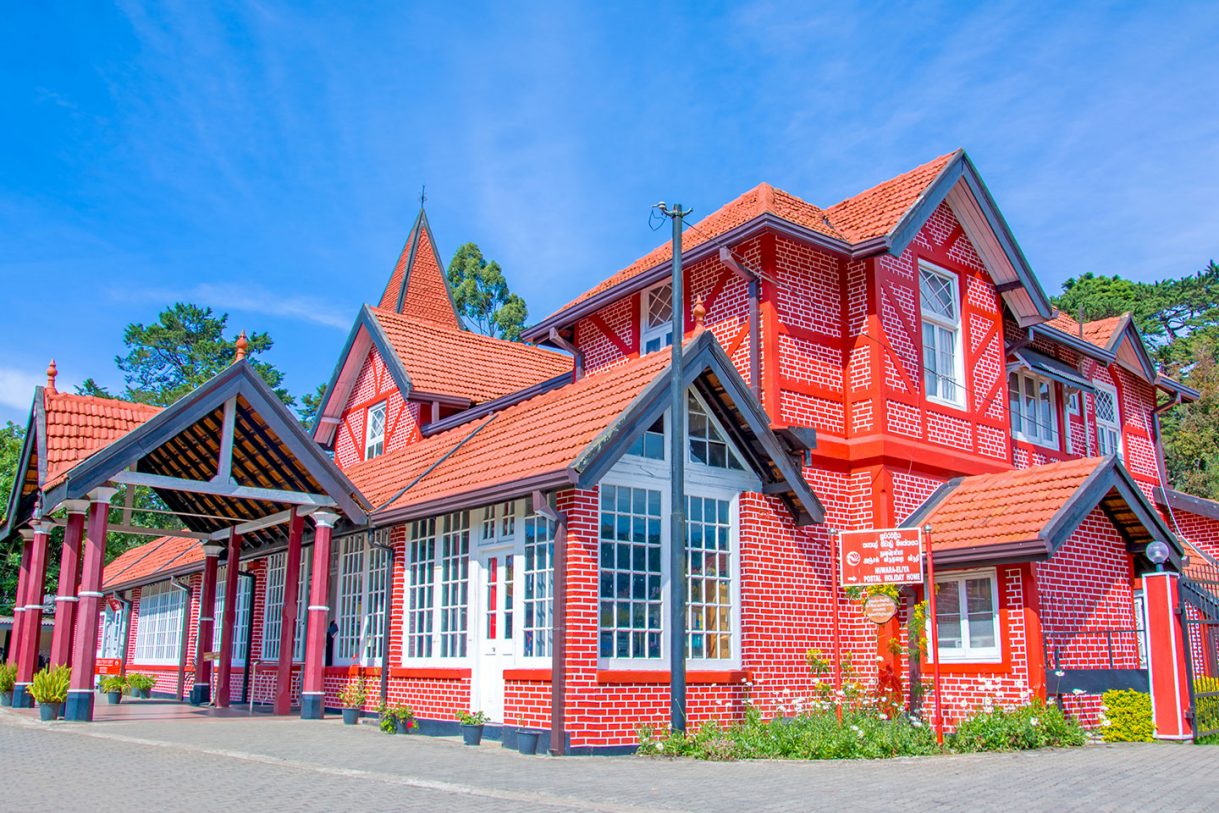
What to Expect When Booking a Driver Guide in Sri Lanka
Visiting Anuradhapura on Your Sri Lanka Trip?
We build private culture tours that cover the Cultural Triangle properly, including Anuradhapura, Sigiriya, Polonnaruwa, Dambulla, and Kandy. Your driver guide provides context throughout and plans the visit around the best times of day. Get in touch and we will put a route together.